-
The Strategic Synthesis of Soft Power and Open-Source Intelligence: A Multidimensional Analysis of Project O Five’s Counter-Extremism Framework
The global security landscape has transitioned from the conventional, hierarchical insurgencies of the twentieth century to a decentralized, digitally mediated era of asymmetric warfare and “viral” ideologies.1 In this contemporary environment, traditional state-centric counterterrorism (CT) models—which rely heavily on “hard power” mechanisms such as military intervention, kinetic strikes, and aggressive policing—often encounter the paradox of…
-
The Chemmani Mass Grave: My Witness to War Crimes in Jaffna
I have lived many lives inside one body. I was a child soldier, a spy, a prisoner, an informant, and at times a ghost moving between two worlds—Tamil and Sinhalese, enemy and ally, victim and accomplice. But of all the shadows that haunt me, none is as heavy as the one buried beneath the soil…
-
Unmasking the 2019 Sri Lanka Easter Sunday Bombings: Intelligence Deception, Political Agendas, and State Involvement
The 2019 Easter Sunday bombings in Sri Lanka, which resulted in the deaths of over 250 individuals, have long been attributed to the Islamist extremist group National Thowheeth Jama’ath (NTJ), allegedly operating under the influence of ISIS. However, increasing evidence suggests the attack was not solely a terrorist act but a complex intelligence operation with…
-
The Role of Pakistan’s Inter-Services Intelligence (ISI) in Undermining International Peace Initiatives, Suppression of Dissent, and Promotion of Sectarianism
The Inter-Services Intelligence (ISI) of Pakistan has long been a controversial institution, accused of undermining international peace initiatives, suppressing domestic opposition, and fueling sectarian tensions. This article explores ISI’s involvement in destabilizing global security, its tactics of coercion against media and civil society, and its alleged role in promoting sectarianism, particularly under the influence of…
-
Deconstructing the 2019 Sri Lanka Easter Sunday Bombings: A False Flag Operation?
This article examines the 2019 Easter Sunday bombings in Sri Lanka, analyzing them through the lens of a possible false flag operation. It critically engages with geopolitical, intelligence, and political dimensions, linking the attack to broader international power struggles between China, India, and the United States. Drawing from intelligence leaks, insider testimonies, and investigative reports,…
-

Unintended Intelligence Consequences: How Yesterday’s Proxy Insurgents turned into Today’s Terrorists
Introduction During the Cold War, nations were increasingly sponsoring and/or supporting insurgencies. For instance, the United States of America supported Afghan-Mujahedin, Nicaraguan Contras, and Tibetan Buddhist fighters. The Soviet Union supported communist guerrillas in Angola, Greece, and South Africa. China supported insurgents in Vietnam. India supported Sri Lankan Tamil rebels. In fact, Trends in Outside…
-
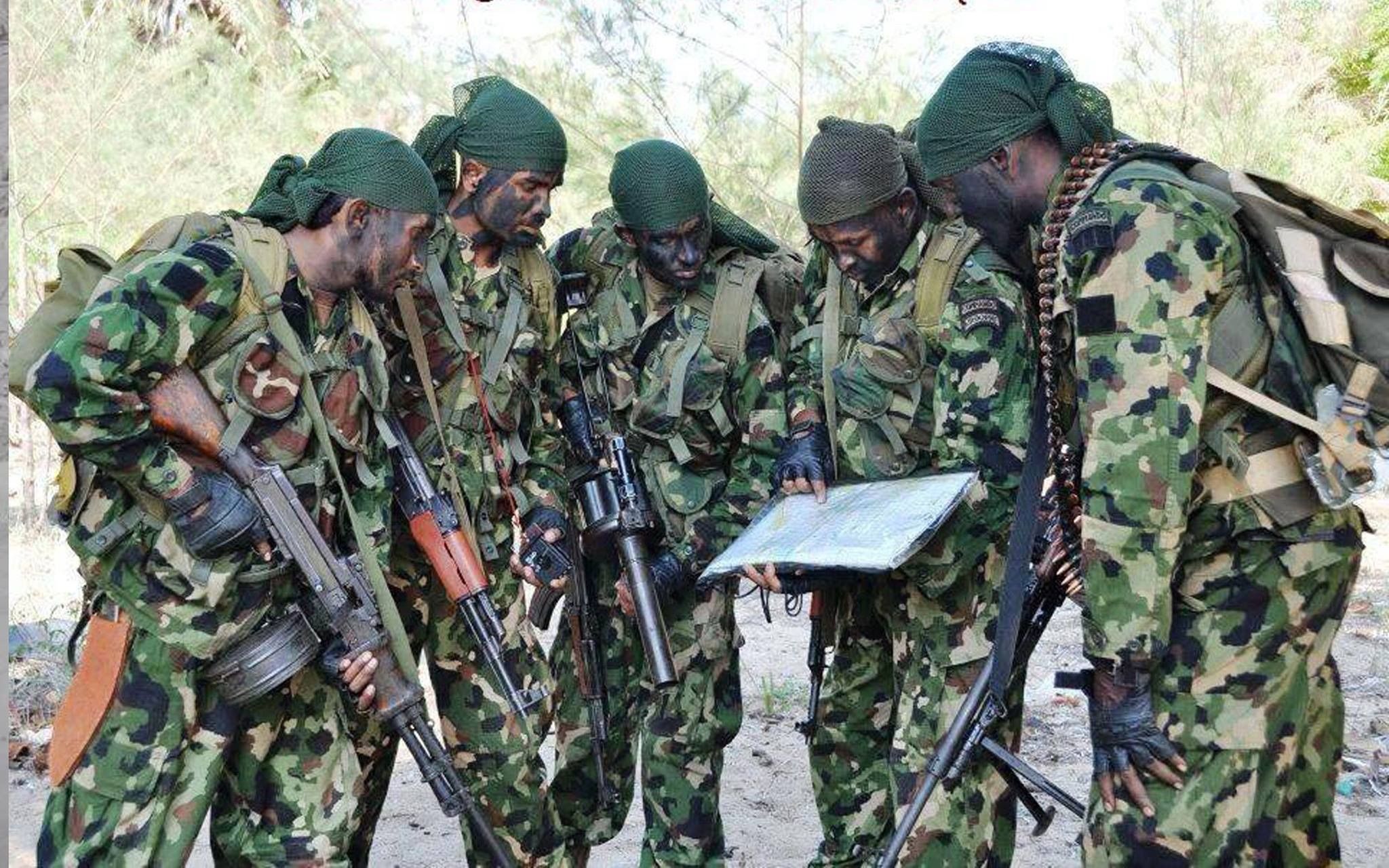
Intelligence Innovation Outside The Anglosphere: Deconstructing The Sri Lankan Counterterrorism Model For Obliterating ISIS
Introduction As the entire world is coming forward to combat the Islamic State of Iraq and Syria (ISIS), I would like to share my opinion here on how to fight ISIS and eventually obliterate them just like the Sri Lankan military defeated the Liberation Tigers of Tamil Eelam (LTTE) just seven years ago. ISIS, an…
-

Tigers’ Eyes and Ears: The LTTE Intelligence Wing (Part I)
The Liberation Tigers of Tamil Eelam’s (LTTE) Intelligence Wing, Tiger Organization Security Intelligence Service (TOSIS) The author would like to dedicate this article to Colonel Tuan Nizam Muthaliff RWP, MI (July 12, 1966 – May 31, 2005) was the former Commanding Officer of the 1st Battalion Military Intelligence Corps, Directorate of Military Intelligence (DMI) of…