-
Seaborn Terrorist Tactics and Global Maritime Security: Emerging Threats and Countermeasures
Maritime terrorism poses a significant and evolving threat to global security, particularly in regions with substantial maritime trade. The Sea Tigers of the Liberation Tigers of Tamil Eelam (LTTE) in Sri Lanka pioneered sophisticated seaborn guerrilla tactics, inspiring groups like Al-Qaeda’s naval division in the Arabian Peninsula, Al-Shabaab in Somalia, the Houthis in Yemen, and…
-

Bay of Bengal: India’s Maritime Backyard and the Cost of Alienating the Resident Power
As India continues to strengthen its naval footprint in the region, any effort by Bangladesh to challenge this balance of power risks pushing the smaller nation into vulnerability and irrelevance.
-
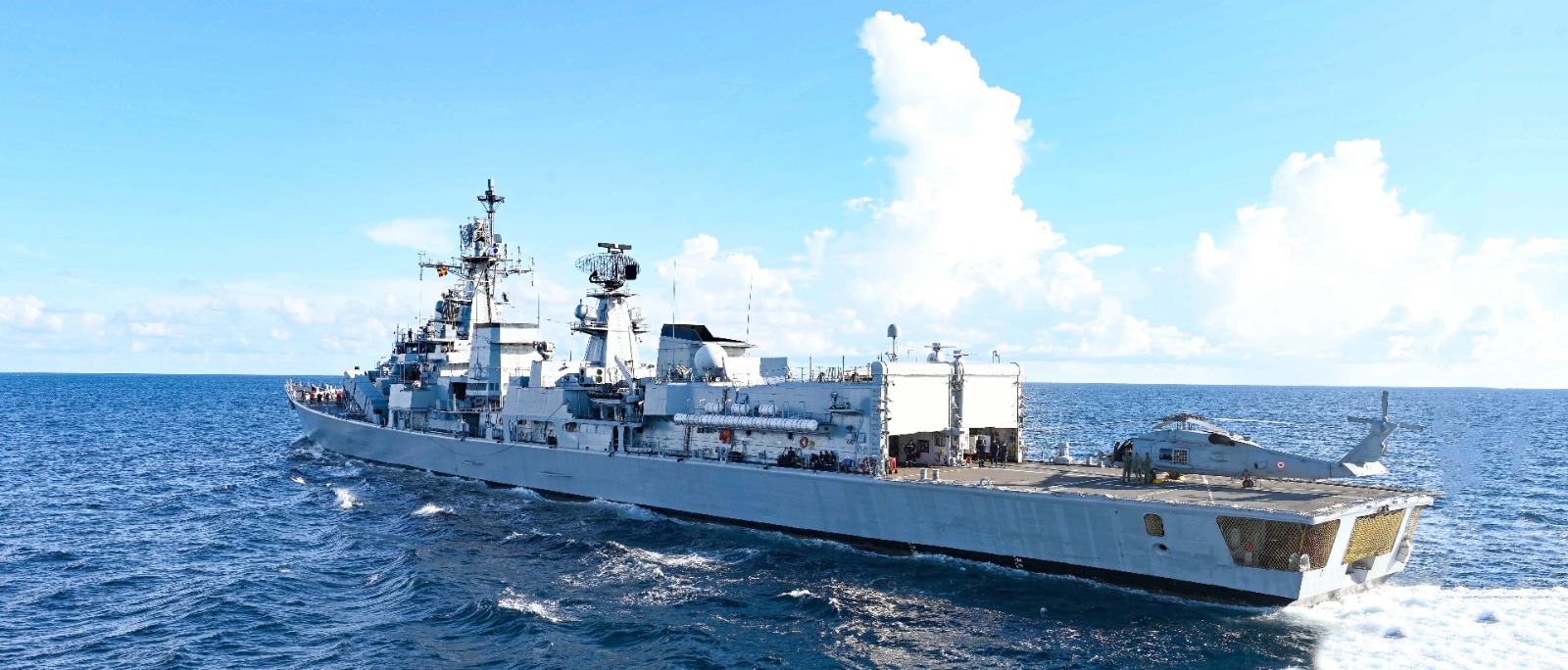
The Indian Navy Advances QUAD’s Vision for a Free and Open Indo-Pacific
The Indian Navy’s leadership within QUAD, exemplified by its pivotal role in Malabar exercises, reinforces a Free and Open Indo-Pacific. By countering regional threats, fostering maritime cooperation, and addressing non-traditional challenges, India positions itself as a stabilizing force and a key player in advancing shared security and economic objectives across the region.
-
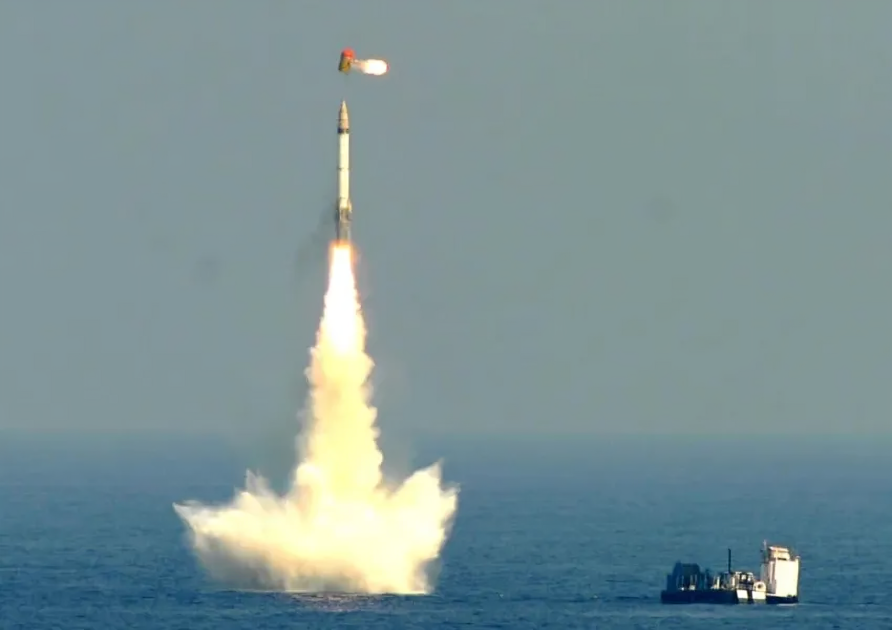
The K-4 Missile Test Propels India Towards Nuclear Submarine Self-Reliance
India successfully tested the nuclear-capable K-4 submarine-launched ballistic missile (SLBM) from INS Arighaat, marking a significant leap in its strategic defense capabilities. With a range of 3,500 km, the missile enhances India’s sea-based nuclear deterrence. Coupled with the recent approval of indigenous nuclear-powered attack submarines (SSNs), this development underscores the nation’s push towards maritime self-reliance…
-
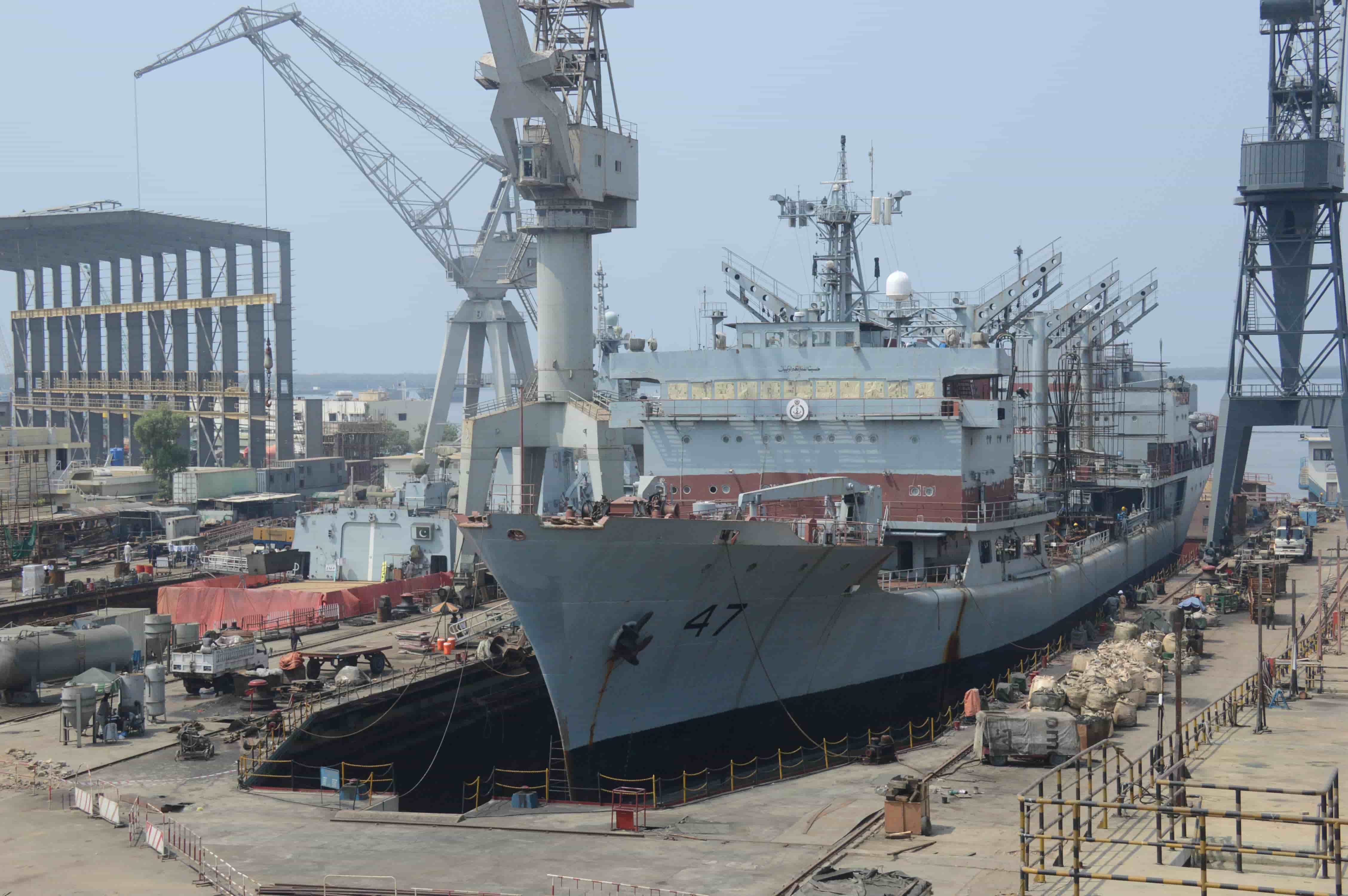
No Indigenous Naval Shipbuilding: Pakistan’s Continued Dependence on Foreign Military Aid
Despite its status as a nuclear power, Pakistan relies heavily on foreign military aid and imports for its naval modernization. Over the decades, the country has failed to establish a self-sufficient indigenous maritime shipbuilding industry. Instead, Pakistan depends on foreign suppliers – notably China, the United States (US), and Turkey – for advanced naval platforms…
-

Indian Disaster Response Operations and Humanitarian Aid Support
Most of India’s humanitarian assistance and disaster relief (HADR) efforts involve natural disasters—earthquakes, floods, storms, and wildfires. Climate change and global warming have only exacerbated their frequency, with rising populations leading to a more significant adverse impact. India has provided humanitarian assistance to West and Southeast Asian countries within and outside its immediate neighbourhood. Two…