-
The Automated Siege of Tehran: A Strategic Blueprint for IRGC Neutralization and Iranian Governance Transition
The geopolitical architecture of the Middle East in early 2026 has been fundamentally fractured by the commencement of Operation Epic Fury, a high-intensity, multi-domain campaign led by the United States and Israel to systematically dismantle the strategic threat posed by the Islamic Republic of Iran.1 While the initial phases of the conflict achieved historic tactical…
-
Why “Hard Power” Fails (And What Actually Works)
“Is it possible to take the world’s most violent experiences and turn them into a blueprint for global peace? Today, we sit down with Stan to find out how he did exactly that.” From child soldier and covert operative to peace-building founder, Stan’s journey is a masterclass in resilience. Discover how he transitioned from “hard…
-
The Strategic Synthesis of Soft Power and Open-Source Intelligence: A Multidimensional Analysis of Project O Five’s Counter-Extremism Framework
The global security landscape has transitioned from the conventional, hierarchical insurgencies of the twentieth century to a decentralized, digitally mediated era of asymmetric warfare and “viral” ideologies.1 In this contemporary environment, traditional state-centric counterterrorism (CT) models—which rely heavily on “hard power” mechanisms such as military intervention, kinetic strikes, and aggressive policing—often encounter the paradox of…
-
Melodies Against Militancy: How Music Undermines Terror and Wins Hearts
The application of soft power in counterterrorism is a profoundly underutilized yet effective tool, particularly through cultural mediums such as music. Soft power, a term coined by Joseph Nye (2004), refers to the ability to influence others through attraction rather than coercion or payment. This influence can be manifested through values, policies, and cultural exports.…
-
Canada’s Soft Power vs. America’s Hard Power: A Comparative Analysis
Canada and the United States are often juxtaposed in discussions of international influence. Canada is globally respected as a soft power nation, recognized for its human rights advocacy, humanitarian projects, and peacekeeping initiatives. Conversely, the United States has been feared for its hard power approach, exerting military and economic control, expanding its territorial jurisdictions, and…
-
The Future Implications of Water Wars: A Global Perspective
As freshwater scarcity intensifies globally, competition over water resources is becoming a critical geopolitical and economic issue. Some nations have begun privatizing and even weaponizing water, raising concerns about future “water wars.” This paper explores the factors driving water conflicts, potential geopolitical flashpoints, and strategies for mitigating these tensions. Using a multidisciplinary approach, this study…
-
Why Donald Trump Used the World Economic Forum to Undermine Canada’s Natural Resource Industry: A Strategic Deception
Donald Trump’s address at the World Economic Forum (WEF) in Davos, Switzerland, was marked by a deliberate effort to manipulate global business leaders and marginalize Canada’s critical role in North America’s energy and resource sectors. This paper examines Trump’s strategic rhetoric, which dismissed the need for Canadian oil, lumber, cars, and critical minerals, while conspicuously…
-
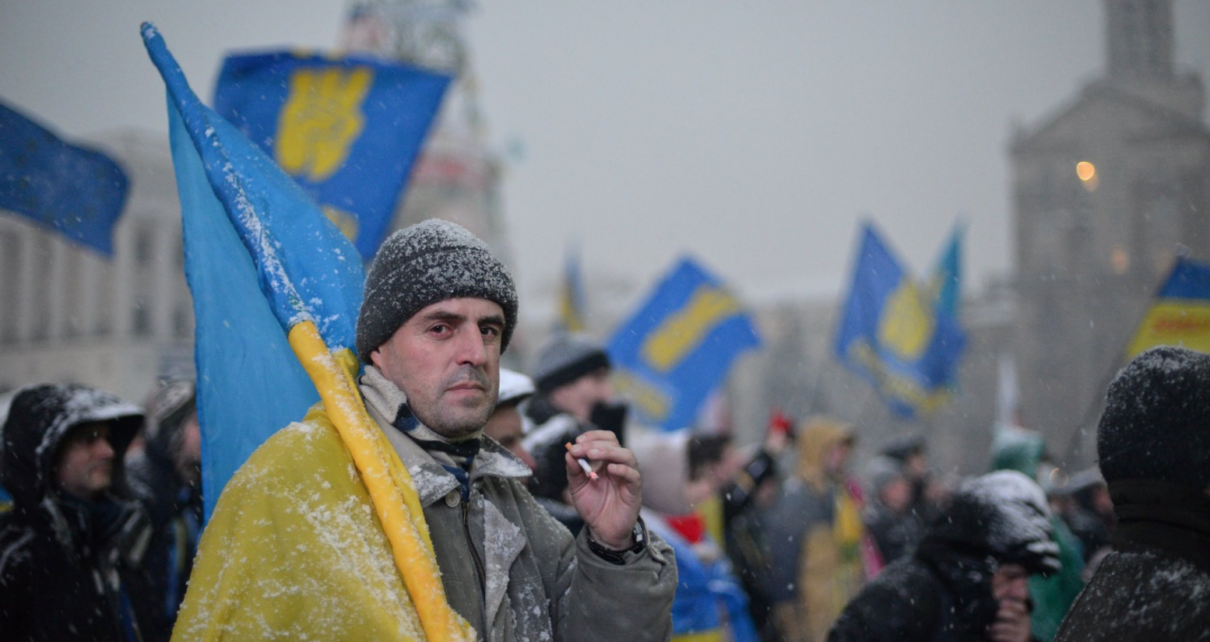
Thoughts on the Russo-Ukrainian War
Vladimir Putin’s war against Ukraine devastates the country, its people, and even the world. How far will he go? Does it matter? What matters the most is how the US-led NATO responds to Putin. Back in 1994, in the wake of the Persian Gulf War, Grant Hammond, Deputy Director of the Center for Strategy and Technology at the United States…
-

Unintended Intelligence Consequences: How Yesterday’s Proxy Insurgents turned into Today’s Terrorists
Introduction During the Cold War, nations were increasingly sponsoring and/or supporting insurgencies. For instance, the United States of America supported Afghan-Mujahedin, Nicaraguan Contras, and Tibetan Buddhist fighters. The Soviet Union supported communist guerrillas in Angola, Greece, and South Africa. China supported insurgents in Vietnam. India supported Sri Lankan Tamil rebels. In fact, Trends in Outside…
-

Recognizing Outdated Power and Eliminating the Divide: Countering Terrorism through Smart Power
Introduction Countering terrorism through “smart power” is a concept deliberated on creative thinking to combat one’s enemy, especially terrorists. This essay will examine the reconceptualization of traditional approaches toward counterterrorism and discuss how ideologies from a Western liberal democracy can respond to an unconventional terrorist ideology. To begin with, the term “power” will be defined.…