-
The 21st-Century Great Game: Geopolitical Contest for the Central Asian Landmass and the Future of Global Power
This article examines the ongoing geopolitical contest over the Central Asian landmass, encompassing the Caspian region and Siberian land, within the framework of a modern “Great Game.” The struggle for influence between major global powers—primarily the United States, China, Russia, the European Union, and India—is analyzed through economic, military, and strategic lenses. The paper incorporates…
-
Toward a “One World” Framework: President Donald Trump’s Potential Foreign Policy in Unifying Global Powers
Donald Trump’s foreign policy during his presidency (2017–2021) was marked by nationalist, transactional, and unilateral approaches. His “America First” doctrine often distanced the United States from multilateral institutions and international agreements. This paper explores how Trump’s foreign policy could be redirected toward a vision of global unity by drawing lessons from the European Union’s integration…
-
Seaborn Terrorist Tactics and Global Maritime Security: Emerging Threats and Countermeasures
Maritime terrorism poses a significant and evolving threat to global security, particularly in regions with substantial maritime trade. The Sea Tigers of the Liberation Tigers of Tamil Eelam (LTTE) in Sri Lanka pioneered sophisticated seaborn guerrilla tactics, inspiring groups like Al-Qaeda’s naval division in the Arabian Peninsula, Al-Shabaab in Somalia, the Houthis in Yemen, and…
-
The Future Implications of Water Wars: A Global Perspective
As freshwater scarcity intensifies globally, competition over water resources is becoming a critical geopolitical and economic issue. Some nations have begun privatizing and even weaponizing water, raising concerns about future “water wars.” This paper explores the factors driving water conflicts, potential geopolitical flashpoints, and strategies for mitigating these tensions. Using a multidisciplinary approach, this study…
-
Why Donald Trump Used the World Economic Forum to Undermine Canada’s Natural Resource Industry: A Strategic Deception
Donald Trump’s address at the World Economic Forum (WEF) in Davos, Switzerland, was marked by a deliberate effort to manipulate global business leaders and marginalize Canada’s critical role in North America’s energy and resource sectors. This paper examines Trump’s strategic rhetoric, which dismissed the need for Canadian oil, lumber, cars, and critical minerals, while conspicuously…
-

The 2019 Easter Sunday Bombings – A Recurrence Of The Reichstag Fire Like Ruse
The bombing that occurred on Easter Sunday in April 2019 in Sri Lanka, initially attributed to ISIS as retribution for the New Zealand Mosque attacks, killing at least 290 people and injuring hundreds, has now been called into question as a potential hoax. This author, Kagusthan Ariaratnam, challenges the official narrative within the context of Sri Lankan foreign policy.…
-
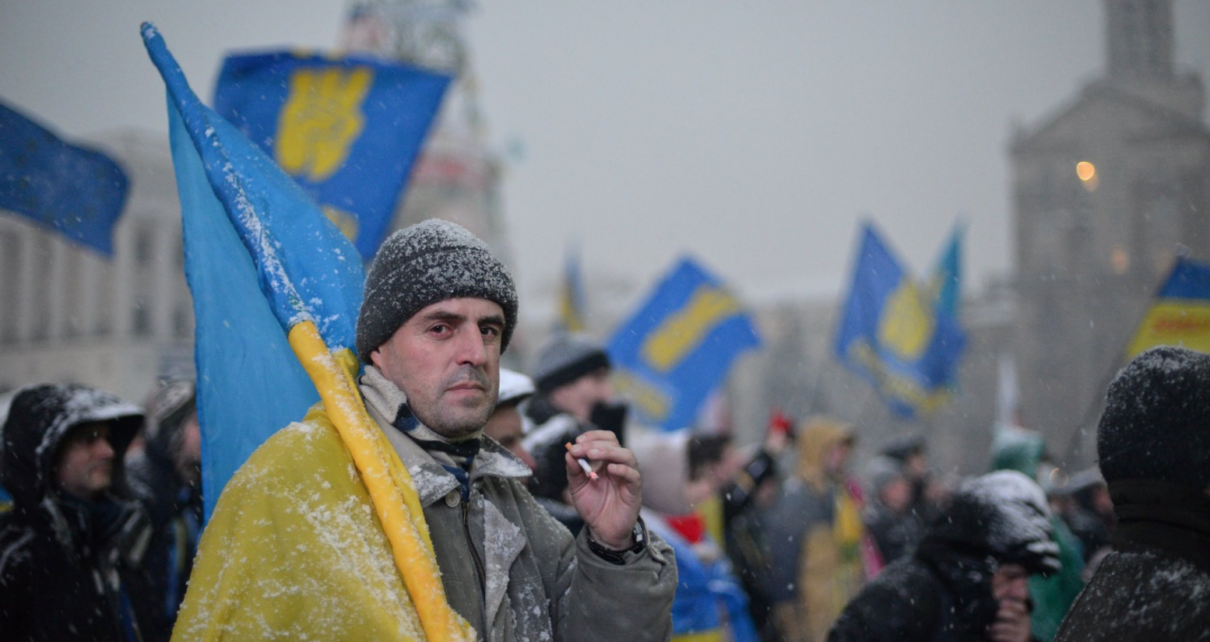
Thoughts on the Russo-Ukrainian War
Vladimir Putin’s war against Ukraine devastates the country, its people, and even the world. How far will he go? Does it matter? What matters the most is how the US-led NATO responds to Putin. Back in 1994, in the wake of the Persian Gulf War, Grant Hammond, Deputy Director of the Center for Strategy and Technology at the United States…
-

From the Eyes of a Tiger: International Dimensions of the Sri Lankan civil war – Part I
I was only 17 years old when I was kidnapped from high school and forcibly deployed as a child soldier by the Liberation Tigers of Tamil Eelam (LTTE), better known as the Tamil Tigers. I rose quickly in the ranks to become an intelligence officer collaborating closely with the Tiger leadership. Over more than four…
-

The US-Led NATO And Its Allies Need Dominance In Afghanistan Over Global Powers, Not Over Their Proxy Taliban
By Siddhant Hira and Kagusthan Ariaratnam As US-led NATO forces prepare to withdraw from Afghanistan, General Scott Miller — the United States’ longest-serving military commander in the area — told the BBC that the priority of NATO troops is “the risks to our forces” and “the risks to the future of Afghanistan.” General Miller’s comments…
-

To What Extent Is Military Force An Effective Response To Terrorism?
The aim of this title is to not only to define the extent of effectiveness of military force against terrorism, but also to understand whether it is an appropriate response, and if so, should it be justified in all cases – legally and or morally. The impact and use of military force has many variables,…