

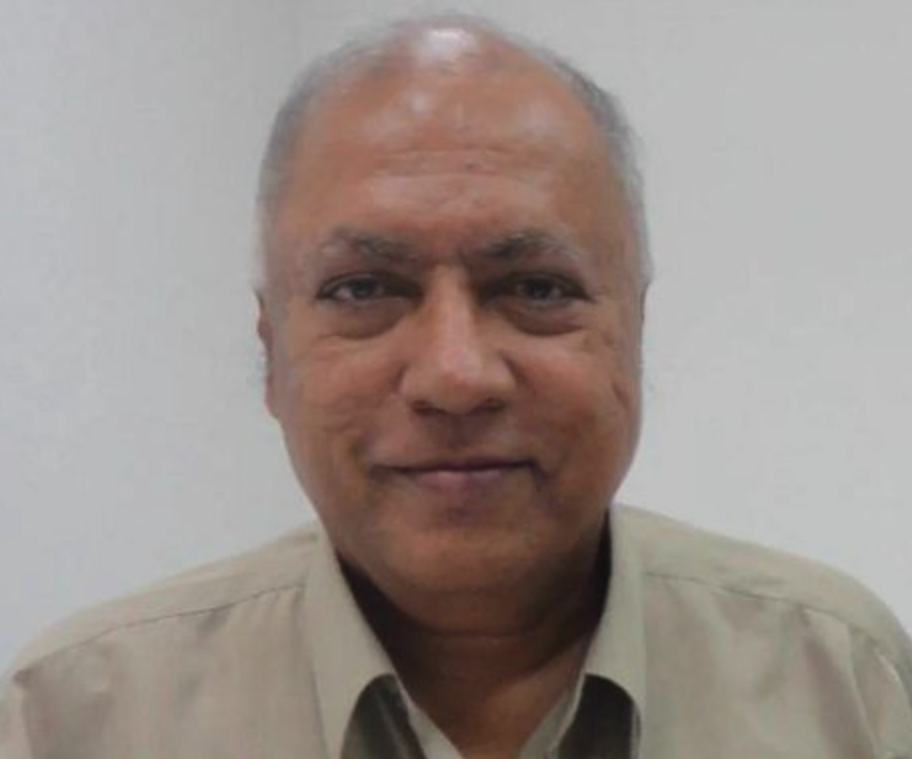
They say that in a conflict as brutal and protracted as ours, the first casualty is always the truth. For a long time, trapped within the rigid, unyielding machinery of the LTTE’s intelligence wing, I believed that truth was merely a weapon to be manufactured, manipulated, and deployed. We saw the world in absolute binaries: us against them, the movement against the state, absolute loyalty against total betrayal.
But then there was David Buell Sabapathy Jeyaraj—DBS Jeyaraj.
News of his passing has reverberated deeply within me, stirring memories of a time when the ground beneath our feet was constantly shifting. To the world, he was a titan of Sri Lankan journalism, a relentless chronicler of the Tamil national movement, and a fierce critic of both state oppression and Tamil militancy. To me, a former intelligence operative who once viewed the world through a highly compromised lens, he was something far greater: he was the man who taught me how to see.
From Broken Bones to Unbroken Spirit
To truly understand the towering nature of Jeyaraj’s courage, one must remember the physical toll he paid for his principles. He was not a desk journalist writing from the safety of abstract theory. In 1987, after exposing the atrocities of the Indian Peace Keeping Force (IPKF) and state-sponsored violations, he was arrested and detained. Later, when he refused to bow his head to the growing hegemony of the LTTE, he became a target for the very people whose plight he had championed.
In exile in Canada, the long arm of intolerance caught up with him. He was brutally assaulted, his legs targeted to halt his stride, leaving him with broken bones. They wanted to cripple his body so they could silence his mind.
But they failed.
From those broken bones rose an even braver journalist. Jeyaraj did not retreat into bitter silence or partisan hatred. Instead, he weaponized his recovery. He traded his mobility for an unparalleled network of sources, turning his column into the most authoritative, meticulously researched record of the war. His physical scars became a badge of absolute independence. Watching him write through the pain, undeterred by death threats from all sides of the spectrum, was my first real lesson in true courage.
The Operative and the Analyst
During my days in the LTTE intelligence apparatus, we monitored everything. We parsed through every article, every editorial, every broadcast. Most Tamil commentators wrote what they were told to write, paralyzed by fear or blinded by ideology.
Jeyaraj was different. His columns in The Sunday Leader and later on his own platform were required reading in our quarters—not because he praised us, but because he saw right through us.
He possessed an uncanny, almost frighteningly accurate grasp of the Tamil liberation struggle’s internal dynamics. He knew the history, the factions, the personalities, and the fatal flaws of our leadership. When he criticized the LTTE’s tactical blunders, its elimination of rival Tamil voices, or its tragic conscription of children, it wasn’t out of malice for the Tamil people. It was out of an agonizing, profound love for them. He saw that the path we were on was leading toward an avoidable catastrophe.
For an intelligence operative trained to suppress doubt, Jeyaraj’s writing was an intellectual awakening. He didn’t just report facts; he dismantled our propaganda with the clinical precision of a surgeon. He forced me to ask the questions we were forbidden from whispering: What happens to a liberation struggle when it consumes its own children? What is the value of a homeland if it is built on a foundation of silenced dissent?
An Enduring Legacy
Jeyaraj did not write to please the state, nor did he write to appease the militants. He wrote for the ordinary Tamil civilians—the displaced, the bereaved, the forgotten—who were caught between the anvil of state militarism and the hammer of rebel authoritarianism.
He inspired me to understand that true loyalty to one’s people does not mean blind adherence to a flag or a leader; it means an unswerving commitment to the truth, no matter how uncomfortable or dangerous that truth might be. He showed a generation of Tamils that the pen could be wielded with a precision that no artillery shell could ever match.
As I look back on the wreckage of the past and the long, painful road to the present, I acknowledge DBS Jeyaraj as a beacon of intellectual resistance. He was broken in body but entirely unbroken in spirit.
Rest in peace, Anna. The war is over, the actors have left the stage, but your words remain—a permanent testament to a history that many wish to forget, but which you ensure we will always remember.